Elegant Floral Motif: A Strategic Design Choice for Timeless Appeal
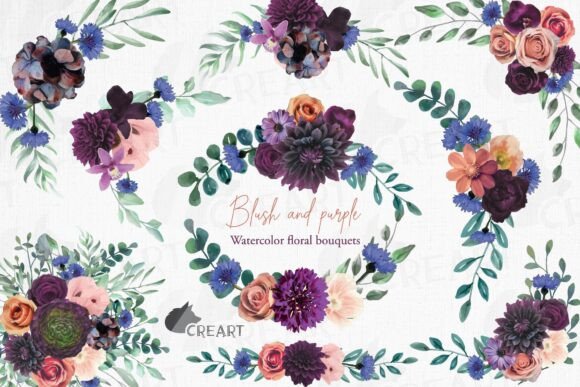
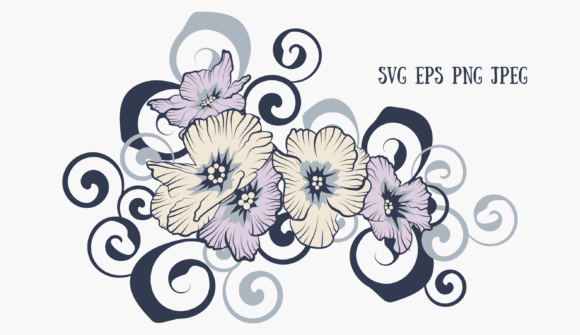
The Floral Motif has long been a staple in visual design, but not all floral patterns are created equal. The elegant floral motif with flowing lines stands apart through its organic inspiration and refined execution. Drawing from the natural world—curving petals, winding vines, and soft plant forms—this design element brings a sense of grace and balance to any visual composition. Its soft pastel hues and intricate detailing make it especially effective for conveying elegance and harmony in digital and print media alike.
Why Floral Motif Matters in Modern Design
Designers today are tasked with creating visuals that not only capture attention but also communicate brand values and emotional resonance. The elegant floral motif offers a subtle yet powerful way to do both. It’s particularly useful when the goal is to evoke calm, sophistication, or natural beauty. Whether used in packaging, web design, or stationery, this motif can enhance user experience and elevate brand perception.
Unlike generic floral patterns, this style is rooted in intentionality. Its flowing lines and soft tones are not merely decorative—they’re strategic. They guide the eye, create visual rhythm, and support a cohesive narrative. This makes it especially valuable for creators and marketers who understand the importance of visual storytelling in building connection and trust.
Strategic Applications of Floral Motif in Design Projects
When considering where and how to use the Floral Motif, it’s important to align its visual language with your project’s purpose. Here are several practical use cases that demonstrate its versatility and strategic value:
- Brand Identity: Incorporating this motif into logos, business cards, or brand collateral can communicate a sense of elegance and care. It works especially well for brands in wellness, lifestyle, beauty, and artisanal niches.
- Product Packaging: The soft curves and organic shapes of the floral motif lend themselves beautifully to packaging design. It can differentiate products on crowded shelves while signaling quality and craftsmanship.
- Web and App Design: Used subtly in backgrounds or UI elements, the Floral Motif can enhance aesthetic appeal without overwhelming the user. It’s ideal for websites focused on nature, sustainability, or creative services.
- Print and Stationery: From wedding invitations to thank-you cards, this motif adds a touch of refinement. It pairs well with minimalist layouts, allowing the design to speak without shouting.
Planning with Purpose: When and How to Use Floral Motif
Before incorporating the Floral Motif into your design, ask yourself: does it support the message, audience, and tone of the project? Strategic use begins with alignment. Here are a few key questions to guide your decision-making:
- Who is the target audience? Is this motif appropriate for their tastes and expectations?
- What emotions or associations do you want to evoke? Softness, growth, elegance?
- Will the motif enhance or distract from the main content or message?
- Are you using it consistently across touchpoints to reinforce brand recognition?
Consider also the format and medium. The Floral Motif is available in SVG, PNG, EPS, and JPEG formats, each with its own advantages. SVG is ideal for scalable web graphics, while EPS is preferred for high-resolution print work. Choose the format that best supports your project’s technical and aesthetic needs.
Designing with Intention: Balancing Beauty and Function
One of the biggest risks in using any decorative motif is overuse. The Floral Motif can quickly become overwhelming if not balanced with whitespace, typography, and color. To avoid this, follow these practical guidelines:
- Use it as a background or accent, not the focal point unless it’s central to the message.
- Maintain visual hierarchy by ensuring the motif doesn’t compete with key content.
- Pair it with clean, modern fonts to prevent the design from looking outdated.
- Test how it performs across devices and print sizes to ensure consistency and clarity.
Remember, the goal is not just to decorate but to communicate. The Floral Motif should enhance the user experience, not complicate it. When used thoughtfully, it can support navigation, brand storytelling, and emotional engagement.
Long-Term Value: Building a Cohesive Visual Language
Design is not just about aesthetics—it’s about strategy. The Floral Motif can be a valuable part of a long-term visual strategy when used consistently and with purpose. Over time, repeated use of a signature motif can become a recognizable brand asset, much like a logo or color palette.
For businesses and creators looking to build a strong visual identity, consider how this motif can evolve with your brand. Can it be adapted for different seasons or product lines? Can it be simplified for digital use while retaining its essence in print? These are the kinds of strategic considerations that separate one-off designs from enduring brand expressions.
Knowing When to Avoid Floral Motif
While the Floral Motif is versatile, it’s not always appropriate. It may not align with brands that aim to project strength, urgency, or technological innovation. In such cases, more geometric or abstract designs might be more effective.
Additionally, avoid using the motif if it doesn’t serve a clear purpose. Decoration for decoration’s sake can dilute your message and confuse your audience. Always tie its use back to your goals—whether that’s enhancing user experience, reinforcing brand personality, or improving visual appeal.
Final Thoughts: Elevating Design Through Intentional Use
The Floral Motif with flowing lines is more than a design trend—it’s a tool for creating meaningful visual experiences. When used strategically, it can support branding, enhance communication, and elevate the aesthetic quality of your projects. But like any design element, its power lies in how thoughtfully and intentionally it’s applied.
As you incorporate this motif into your work, remember to ask: does it serve the audience? Does it support the message? Does it reflect the values of the brand or project? By answering these questions honestly, you’ll ensure that your use of the Floral Motif is not just beautiful—but also effective.